


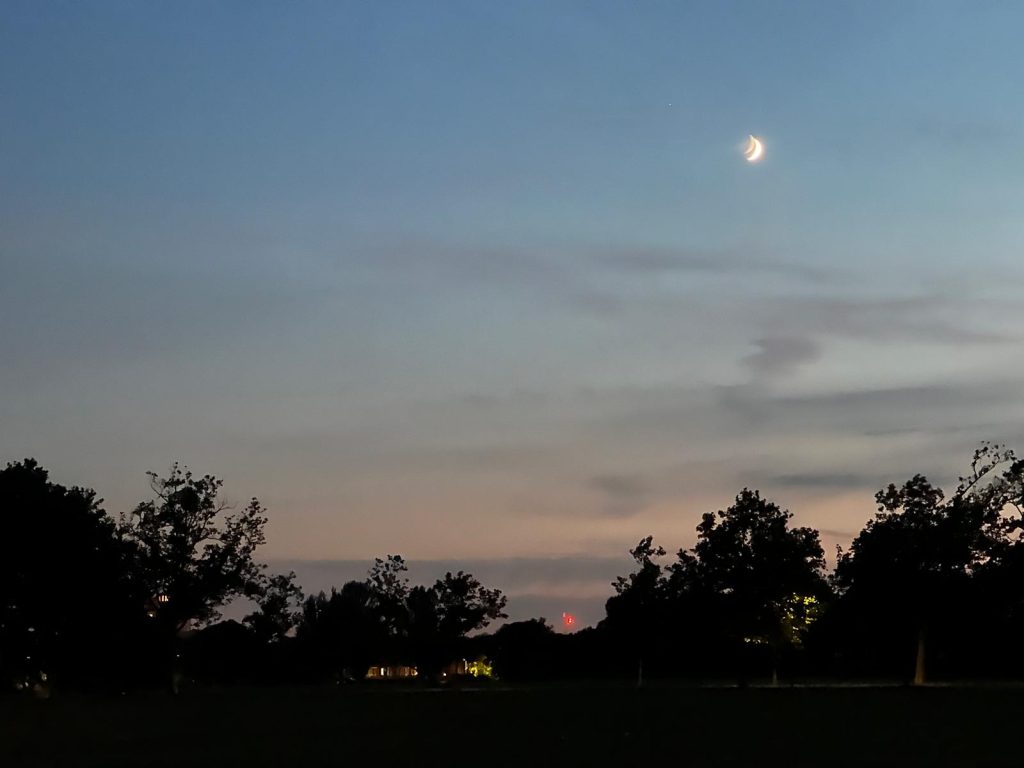

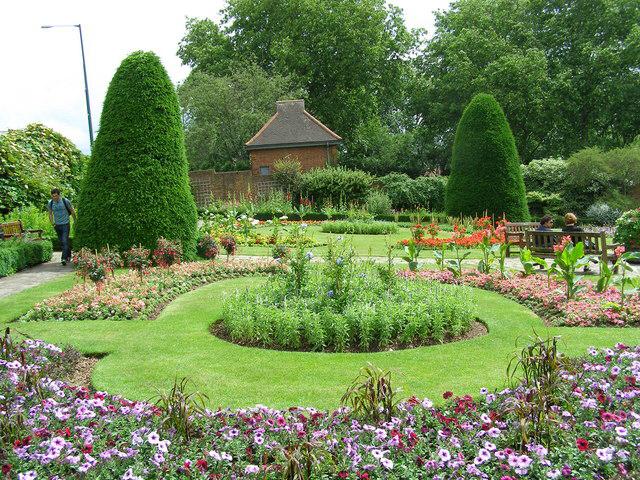
I went to Gladstone Park. This was so good and amazing. There were some trees and gardens in there. Some leaves are in there. I breathed a lot. That day was fantastic.
My grade was 100.
Tucked away in northwest London, Gladstone Park is one of those quiet green spaces that feels like a local secret. Named after William Ewart Gladstone, the park blends history, open landscapes, and community life in a way that reflects the charm of the city itself.
Originally part of the Dollis Hill estate, the land was transformed into a public park in the early 20th century, giving Londoners a place to breathe away from the growing urban sprawl. Today, Gladstone Park stretches across rolling hills, offering one of the best panoramic views of the London skyline—on a clear day, you can spot landmarks rising in the distance, a striking contrast to the calm greenery around you.
At the heart of the park stands Dollis Hill House, a historic building once associated with notable figures and later repurposed for community use. Though time has changed its role, it still adds a sense of heritage to the surroundings.
The park is alive with activity: joggers trace its winding paths, families gather near playgrounds, and sports enthusiasts make use of football pitches and tennis courts. Yet there are also quieter corners—tree-lined paths and shaded benches—where you can sit with a book or simply listen to the breeze moving through the leaves.
Gladstone Park captures a softer side of London: not the busy streets or iconic landmarks, but a place where history, nature, and everyday life gently meet.
Gladstone Park is located in northwest London, spanning the areas of Brent and Barnet. It is named after William Ewart Gladstone, one of Britain’s most famous Prime Ministers. The park officially opened to the public in 1901. It was created from part of the historic Dollis Hill estate. The park covers over 35 hectares (around 86 acres). It features wide open green fields perfect for picnics and relaxation. The park sits on a hill, offering panoramic views of the London skyline. On clear days, you can see landmarks like the Shard and Wembley Stadium in the distance. Dollis Hill House is one of the park’s most historic features. Dollis Hill House was once used as a country retreat. During World War I, the house served as a hospital. The park has a rich variety of trees and plant life. It is a popular spot for jogging and fitness activities. There are well-maintained walking paths throughout the park. Families enjoy the children’s playground areas. The park includes football pitches for local teams. Tennis courts are available for public use. There is an outdoor gym for free exercise. The park attracts dog walkers from nearby neighborhoods. Birdwatchers can spot various species throughout the year. It is a peaceful escape from central London’s busy atmosphere. The park is popular for community events and gatherings. In spring, the park becomes especially beautiful with blooming flowers. It is a great place for photography, especially at sunset. The park has both open spaces and quiet wooded areas. It is accessible via public transport, making it easy to visit. Locals often use it for weekend relaxation. The park has historical significance tied to London’s expansion. It offers a mix of recreation, nature, and heritage. Fitness groups and boot camps often train there. It provides one of the best local viewpoints in northwest London. Gladstone Park remains a beloved green space for residents and visitors alike.